Heritage isn’t stored. It’s practised.
Lineage is a field guide to intangible cultural heritage: the festivals, crafts, music, and daily rituals that exist only because someone, right now, is still doing them. Most of what we cover carries a UNESCO Intangible Cultural Heritage listing. Some doesn’t — and we say so, because a tradition doesn’t need a certificate to matter to the people who keep it.
What we mean by “living” heritage
Three ideas run through every story we publish.
Practised, not preserved
A ruined palace can survive the society that built it. A carnival, a carpet knot or a pause in a Noh performance cannot — it exists only while someone keeps doing it. We look for that difference in every story.
Named places, real dates
Every tradition here is anchored to where and when you could actually see it: a Tuesday in Binche, a June sunrise over Sacsayhuamán, a spring harvest above Hangzhou. Nothing is presented as a vague, timeless custom.
Respect over spectacle
A cemetery vigil is not a photo backdrop. A masked procession is not a costume party. We try to explain the etiquette a visitor owes a tradition, not just the schedule.
How the collection is organised
Five recurring shapes emerged once we had enough stories on the table.
Festivals & Rituals
Carnivals, solstice fires, and the one day a year a vanished empire seems to return to its streets.
Performing Arts
Music and theatre that were never separated from everyday life — fado in a restaurant, mariachi at your table.
Craft & Making
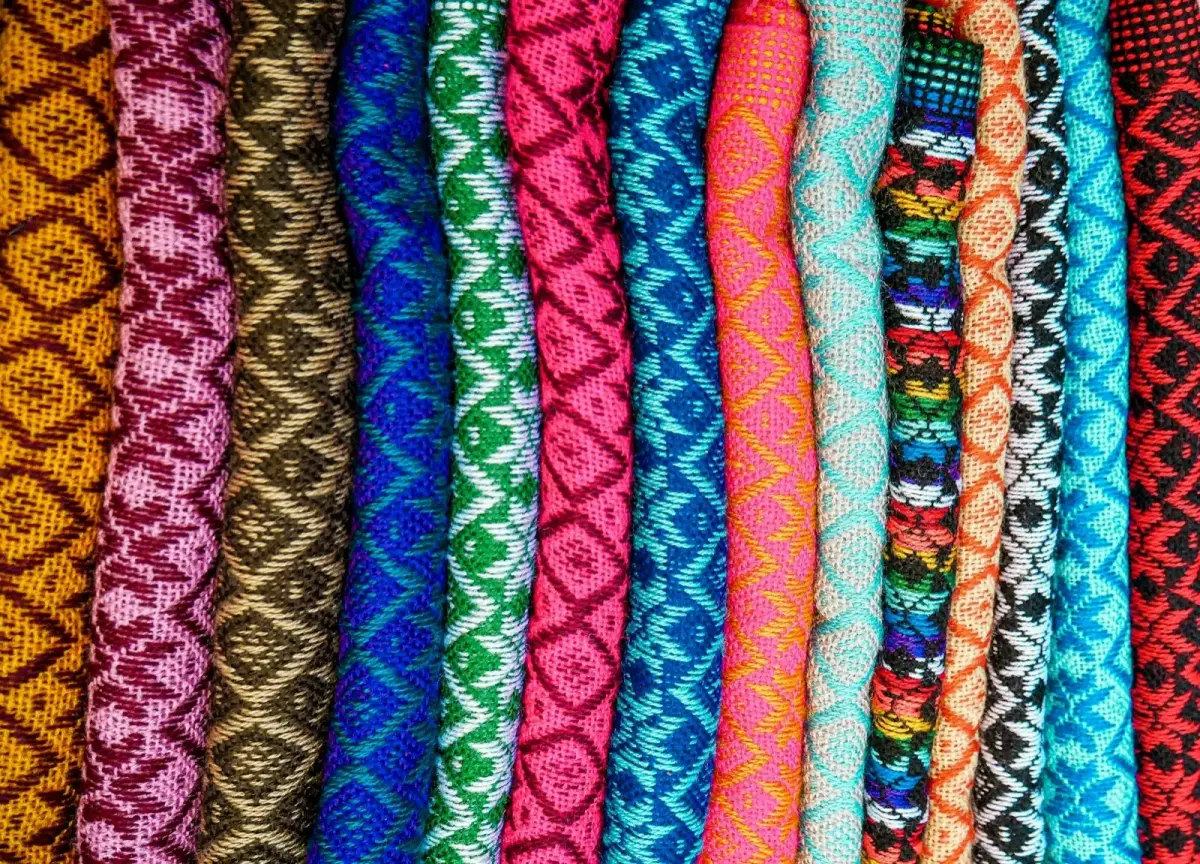
Knowledge held in the hands: molten glass, hand-tied knots, a brush that cannot be taken back.
Food & Drink
Dishes and drinks that were never really about the food — couscous, tea, Turkish coffee.
Ways of Life
Whole calendars, houses and herds still shaped by the seasons — yurts, transhumance, reindeer migration.
A note on sourcing
Photography throughout Lineage is drawn from a single consistent plate style and colour grade, so that very different corners of the world still read as one collection.
Editorial approach
Lineage is produced by a small, deliberately unglamorous editorial process.