Best time to go: Year-round. In Finland, an entire culture has agreed that some of the best conversations happen without a single word.
A Place Where Nobody Expects You to Talk
In many cultures, silence between strangers feels uncomfortable. People fill it with conversation, jokes, or small talk. In Finland, however, there is one place where silence is not awkward at all. It is expected.
That place is the sauna.
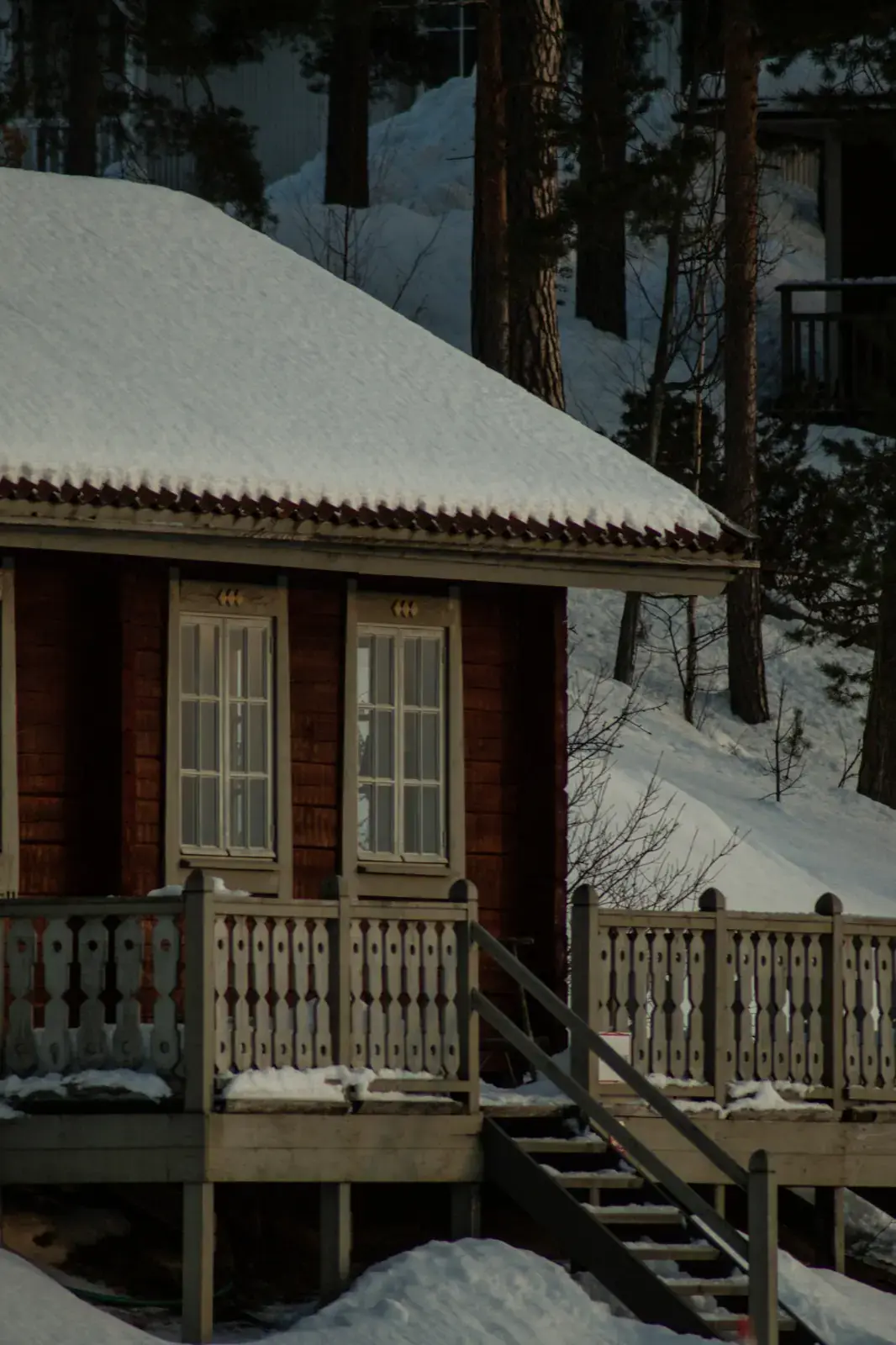
To an outsider, a Finnish sauna may seem like little more than a heated wooden room. But for Finns, it is something far more important. Families gather there, friends meet there, and even business partners occasionally share the same bench. Yet none of them feels obliged to keep the conversation going. Sitting quietly together is not considered strange. It is simply another way of being together.
This tradition is so deeply rooted in Finnish life that, in 2020, UNESCO inscribed Sauna Culture in Finland on the Representative List of the Intangible Cultural Heritage of Humanity.
More Than Just Heat
Many countries have saunas, but Finnish sauna culture is not defined by high temperatures alone. What matters is everything that happens around them.
A sauna session begins slowly. The room is heated, water is poured onto the hot stones to create löyly—the burst of steam that transforms dry heat into something softer and deeper—and people settle onto the wooden benches. Some remain silent, others speak quietly, but nobody rushes the experience.
The sauna is rarely about staying inside for as long as possible. Instead, people move naturally between heat and coolness, stepping outside into fresh air, swimming in a lake, or rolling in snow during winter before returning to the warmth again. The rhythm itself becomes part of the experience.
A Room Where Status Disappears
One of the most unusual things about Finnish sauna culture is what happens to social differences once people enter.
Outside, someone may be a company director, a politician, or a university professor. Inside the sauna, those roles lose much of their importance. Everyone sits on the same wooden benches, experiences the same heat, and follows the same traditions.
Perhaps this is why the sauna has long been seen as a place where honest conversations become easier. Without formal clothing, titles, or offices, people often meet each other more simply—as individuals rather than positions.
Yet conversation is never the main purpose. Silence remains equally welcome.
A Tradition Learned Without Lessons
Few Finns remember learning how to use a sauna. Like many cultural traditions, it is absorbed almost without noticing.
Children accompany their parents from an early age. They learn when to throw water onto the stones, when to step outside to cool down, and how to respect the quiet atmosphere. Nobody hands them a rulebook. They simply grow up surrounded by the rhythm of sauna life until it feels completely natural.
This quiet transmission from one generation to the next is exactly what UNESCO recognises. The organisation protects not the buildings themselves but the knowledge, customs, and shared understanding that allow sauna culture to continue.
Modern electric saunas stand alongside centuries-old smoke saunas, and both remain part of the same living tradition. UNESCO makes no distinction between them. What matters is not the technology but the culture.
Why UNESCO Protects the Culture, Not the Sauna
A wooden sauna can be preserved as a historic building, but that does not guarantee the tradition will survive.
UNESCO protects something less visible: the habit of gathering regularly, the understanding of how to create löyly, the unwritten etiquette inside the sauna, and the idea that this small room offers space not only to clean the body but also to calm the mind.
Without people who continue these practices, a sauna would become nothing more than an empty heated room.
As long as families continue inviting children into the sauna, friends continue sitting together in comfortable silence, and someone still pours water onto hot stones to create the first cloud of steam, Finnish sauna culture remains alive.
Where to Experience Finnish Sauna Culture
The easiest place to experience this tradition is almost anywhere in Finland. The country has around 3.3 million saunas for a population of about 5.6 million people, making them part of everyday life rather than tourist attractions.
For visitors interested in traditional sauna culture, some of the most memorable experiences can be found in Rajaportti Sauna in Tampere—the oldest continuously operating public sauna in Finland—or in one of the country’s historic smoke saunas. In Helsinki, Löyly offers a contemporary interpretation of the tradition while remaining rooted in Finnish customs, and Kotiharju Sauna preserves the atmosphere of a classic neighbourhood public sauna.
Wherever you go, the experience is likely to feel surprisingly ordinary. That is precisely the point. In Finland, a sauna is not considered a special event. It is simply one of the places where everyday life happens—quietly, slowly, and together.