Best time to go: Descent processions in September. Twice a year, entire Alpine villages pack up and move — not to a new home, but to whichever pasture the season demands.
A Life That Follows the Grass
When we look at a map, everything seems permanent. Towns remain where they are, villages never move, and roads always connect the same places. But for centuries, people in the Alps lived according to a very different rhythm. Every spring they quite literally moved into the mountains, and every autumn they returned to the valleys.
They did not move in search of somewhere new. They were following the grass.
While spring was only beginning in the valleys, the alpine meadows remained buried beneath snow. As the season advanced, however, a wave of fresh green climbed steadily higher up the mountainsides. The herds followed it, and the herders followed the herds. Year after year, life slowly rose into the mountains before descending along the same paths in autumn.
This seasonal movement of livestock—known as transhumance—was inscribed on UNESCO’s Representative List of the Intangible Cultural Heritage of Humanity in 2023.
Why Nobody Stayed in One Place
At first, it may seem surprising that people would leave their homes for several months every year. Yet for Alpine communities, this was simply the most efficient way to make use of the mountains.
During summer, the high alpine meadows are covered with lush grass while the pastures in the valleys quickly dry out. Leaving animals below would waste the rich grazing land above, while overusing the lower fields. By moving the herds uphill, the valleys could instead be used to produce hay for the winter.
The same landscape therefore served two different purposes. In summer, livestock grazed on the mountain pastures. In winter, they survived on hay harvested from the valleys. This seasonal rhythm allowed people to thrive in a region where productive land had always been limited.
One Path Known by Generations
For a visitor, a mountain trail is simply a hiking route. For a herder, it may be a path that has been walked by parents, grandparents, and countless generations before them.
These routes rarely change. People know where to rest, where fresh water can be found, which sections become dangerous after heavy rain, and when to begin the journey to avoid an early snowfall. These are not things that can be learned from a map. They are passed down together with the tradition itself.
In many Alpine families, children join the seasonal migration from an early age. Gradually, they learn not only the route but also an entire way of life that has shaped the mountains for centuries.
When Returning Home Becomes a Celebration
In autumn, the herds make their way back down into the valleys. Across many Alpine regions, this homecoming has long been marked by celebration.
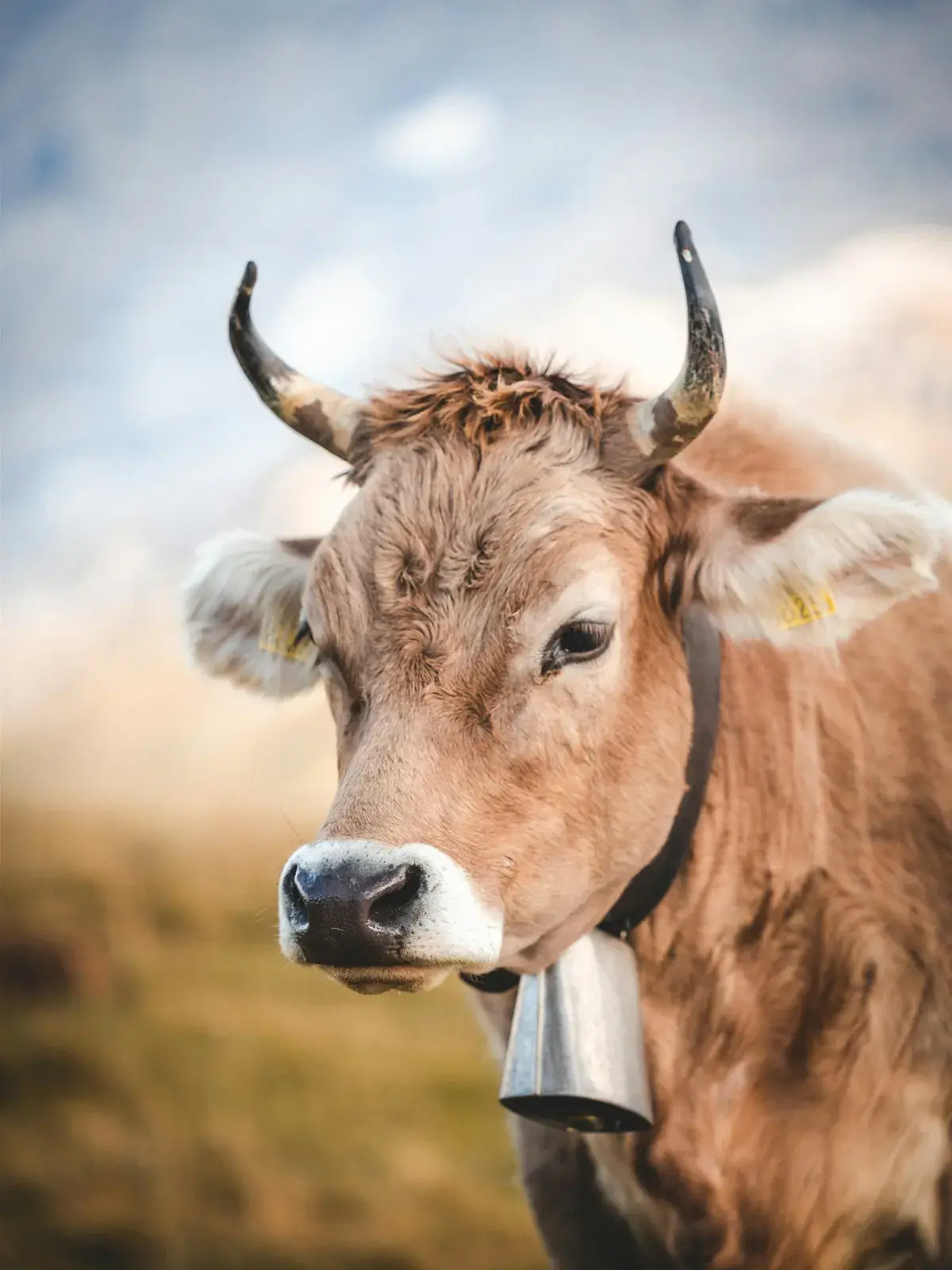
If the summer has passed without the loss of a single animal, the cows are decorated with wreaths of flowers, evergreen branches, and colourful ribbons. Large bells ring from their necks as villagers gather to welcome them home.
To visitors, the procession may look like a performance created for tourists. In reality, the tradition is far older than tourism itself. The decorated cattle are a symbol of gratitude for a successful summer and a safe return from the mountains.
Why UNESCO Protects More Than Alpine Meadows
The Alps themselves can be preserved as a landscape. That alone, however, cannot preserve the tradition.
UNESCO protects the knowledge that makes this way of life possible. People must continue to know when to move the herds, which routes to follow, how to care for high mountain pastures, how to produce cheese in remote alpine huts, and how to pass these skills from one generation to the next.
Without this knowledge, seasonal transhumance would become little more than a beautiful historical photograph. As long as people continue climbing into the mountains every spring and returning each autumn, the tradition remains alive.
Where to Experience Alpine Transhumance
One of the best times to experience this tradition is September, when livestock return from the high mountain pastures. Across Austria, Switzerland, and northern Italy, villages celebrate the autumn descent with colourful processions featuring beautifully decorated cattle.
Some of the best-known events are the Almabtrieb festivals in the Austrian regions of Tyrol and Vorarlberg, the Désalpe celebrations in the Swiss cantons of Valais, Fribourg, and Vaud, and similar traditions in Italy’s Trentino–Alto Adige region. These are not historical reenactments but living customs that remain part of everyday Alpine life.
A summer visit offers a completely different perspective. High in the mountains, alpine farms are still occupied for several months each year. Herders produce cheese on site, care for their animals, and move the herds between pastures as fresh grass appears. It is during summer that visitors truly understand one simple idea: for the people of the Alps, the mountains are not a place to escape to for a weekend—they are a second home.