Best time to go: Xiling Seal Art Society, year-round. Small enough to fit in a palm, a Chinese seal once carried the weight of a signature, a fortune and an entire identity.
A Small Stone with the Power to Speak for You
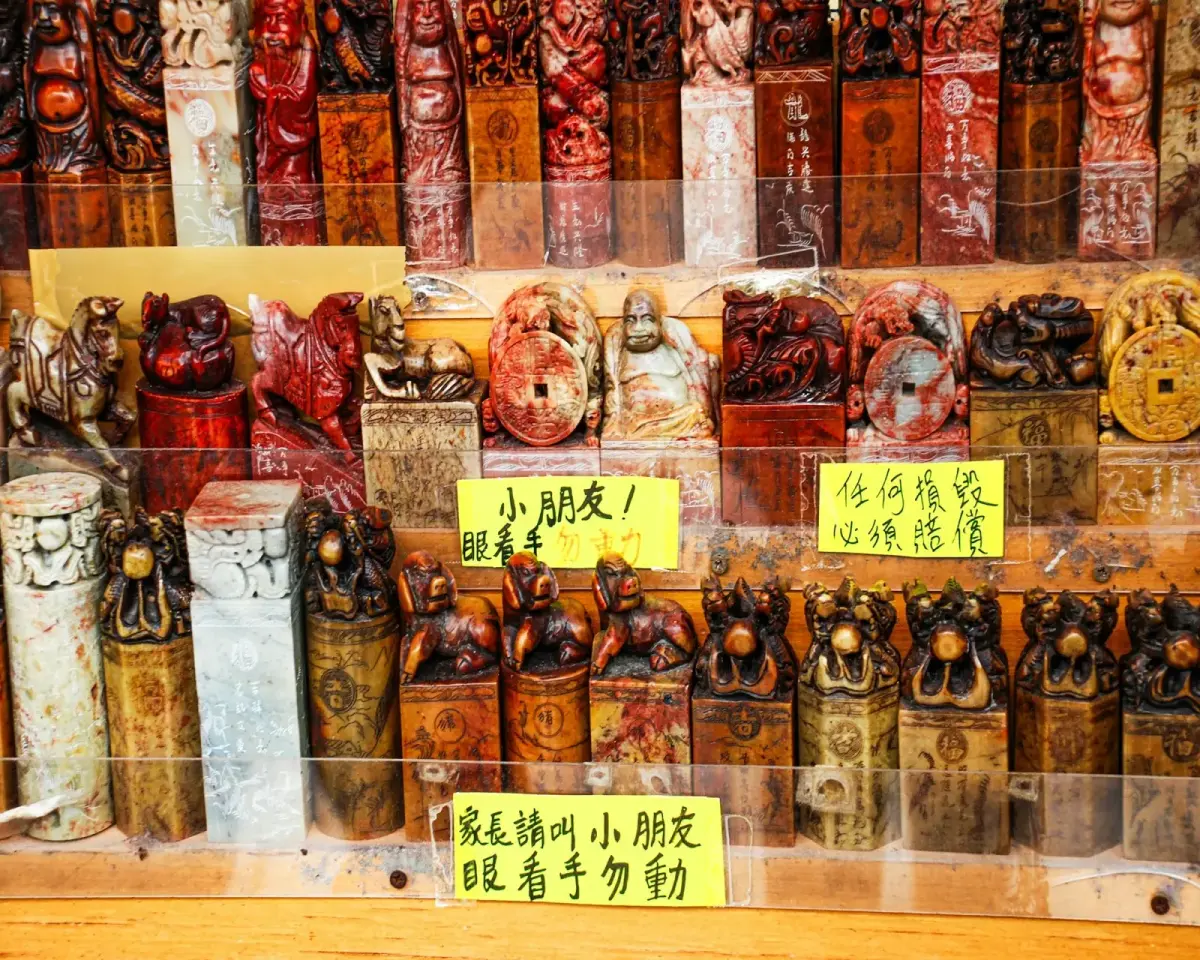
A Chinese seal fits easily into the palm of a hand. At first glance, it looks like a small piece of stone with a few characters carved into its base. Yet for centuries, an object of this size could confirm a person’s identity, authenticate a document, represent the authority of a ruler, or become the final detail in a completed painting.
A seal did more than accompany its owner’s name. It spoke on their behalf. A single red impression could show that a letter had truly been sent by a particular person, that a work belonged to a certain artist, or that an official decision had been approved. The seal therefore had to be not only accurate but recognisable.
Over time, it ceased to be viewed purely as a practical tool. A surface measuring only a few centimetres became an artistic space where calligraphy, composition, and stone carving came together. In 2009, the art of Chinese seal engraving was inscribed on UNESCO’s Representative List of the Intangible Cultural Heritage of Humanity.
An Image That Exists First Only in the Mind
The work begins not with a knife but with paper. The engraver chooses the characters, determines their form and line thickness, and decides how they will fit within the future square. Even when the seal contains nothing more than a name, the characters cannot simply be reduced in size and transferred onto the stone. They must form a balanced composition.
The difficulty lies in the fact that the engraver is not creating the final image directly. Instead, the artist is making the surface from which that image will later be printed. The inscription must therefore be transferred onto the stone in reverse. Everything carved on the left will appear on the right after the seal is pressed into red paste and stamped onto paper. Only in the first impression does every line finally appear in its intended position.
There is almost no room for approximation. The engraver works within a remarkably small area, where every curve and every change in the thickness of a line matters. A mistake of only a few millimetres can disturb the balance of the entire composition.
Two Ways to Leave a Red Mark
Traditional seal impressions follow two principal methods. In the first, the engraver cuts away the lines that form the characters. When the seal is pressed onto paper, the characters remain white while the surrounding space appears red.
In the second method, the lines of the characters are left raised while the stone around them is removed. The characters then appear red against a white background. The two approaches create very different impressions: one feels lighter and more graphic, while the other appears denser and more assertive.
The choice is not merely decorative. The engraver must imagine in advance how the filled and empty spaces will interact, whether the inscription will remain legible, and what mood the form of the characters will convey. A tiny seal thus becomes a complete composition in which red space matters just as much as the writing itself.
Why Beautiful Calligraphy Is Not Enough
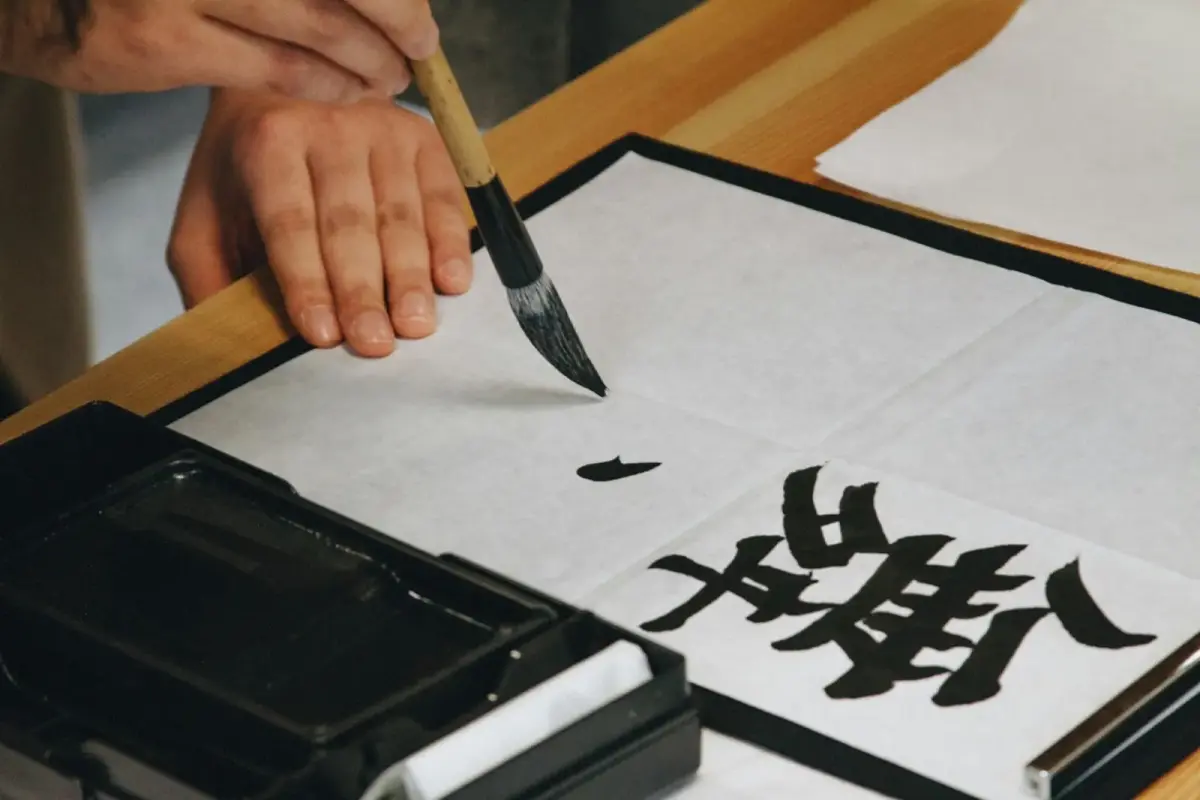
Someone who writes elegant Chinese characters with a brush will not necessarily be able to carve a successful seal. A brush moves freely across paper, changing pressure and creating a living, flexible line. A knife meets the resistance of stone, and every movement becomes permanent.
The engraver must think simultaneously as a calligrapher and a carver. The character of the written sign must be preserved while being adapted to the material, the limited space, and the appearance of the future impression. This is why seal engraving is not regarded as the mechanical copying of characters, but as one of China’s traditional fine arts.
Seals do not always contain only the owner’s name. They may include the name of a studio, a literary pseudonym, a brief saying, or a line of poetry. In only a few characters, a person can express how they wish to be known by others.
When a Signature Becomes Part of a Painting
On a Chinese painting, a red seal rarely looks like an addition placed there after the work was finished. The artist chooses its position as carefully as the placement of a mountain, a tree, or a bank of mist. A small patch of red can balance an empty area and bring the entire composition to completion.
Several impressions may appear on a single historical work. Some belonged to the original artist, while others were added by collectors through whose hands the painting later passed. The seals therefore became a kind of biography of the object. They can reveal who once owned a scroll and who considered it worthy of entering a collection.
In this way, an ordinary signature became an independent work of art. A seal confirms identity, contributes to the composition, and preserves the distinctive style of the person who created it.
Why UNESCO Protects the Knowledge, Not the Stones
Ancient seals can be preserved in museums, but preservation alone is not enough. For the art to remain alive, someone must still know how to select historical forms of Chinese script, arrange them into a composition, transfer them in reverse, and control a knife on a surface no larger than a coin.
This is why UNESCO protects not individual stone seals but the knowledge and skills required to create them. Today, the craft is passed on through art institutions as well as through the traditional relationship between master and apprentice. It is practised not only by professionals but also by enthusiasts, for whom creating a personal seal offers a direct connection to Chinese writing and visual culture.
While the engraver is cutting the characters backwards, the completed image does not yet exist. It appears for the first time only on paper, after a brief press of the hand. Perhaps this is the central beauty of the Chinese seal: days of thought and precise work are transformed into a single red mark that takes only a second to appear.
Where to See Chinese Seal Engraving
The principal institution associated with this tradition is the Xiling Seal Art Society in Hangzhou. Founded in 1904, it stands on the western side of Gushan Hill beside West Lake. The society is dedicated to the study and preservation of seal engraving, calligraphy, and traditional Chinese painting.
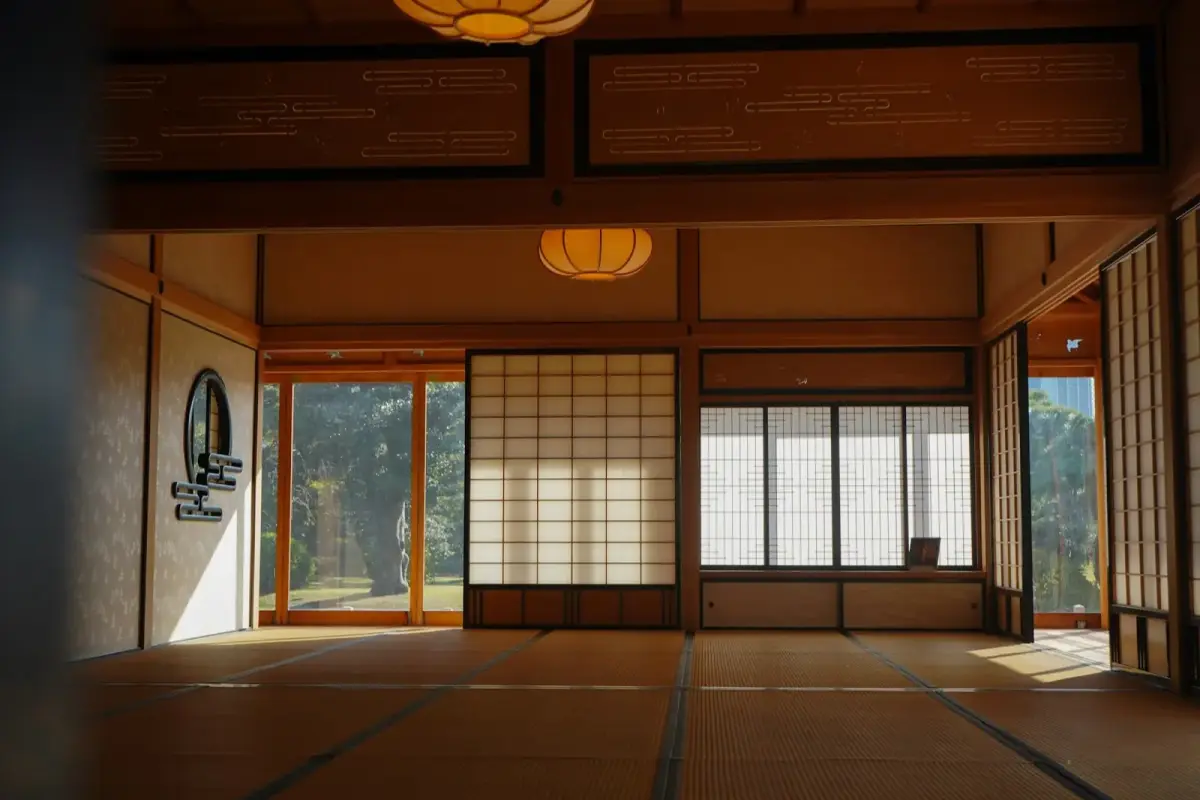
Its grounds feel less like a conventional museum than a small classical garden, with pavilions, stone inscriptions, and views across the lake. Visitors can see collections of seals and works by noted engravers. Some cultural programmes also introduce participants to the process of making their own impressions, although workshop schedules and temporary events should be checked before visiting.
Even without taking part in a workshop, the Xiling Seal Art Society places the craft in its proper cultural setting. Afterwards, the small red square on a Chinese painting no longer looks like a decorative mark. It begins to reveal a name, the identity of its owner, and the work of an engraver who first had to carve everything backwards.