In most forms of theatre, the director wants every member of the audience to understand the story in roughly the same way. If a character is grieving, that should be obvious. If they are joyful, there should be little room for doubt.
Japanese Noh theatre follows a completely different philosophy.
Rather than presenting emotions in a direct and unmistakable way, the performer creates the conditions for each audience member to discover those emotions for themselves. Two people sitting side by side may watch the same performance and leave with entirely different impressions. That is not a flaw in Noh—it is one of its defining artistic principles, preserved for nearly seven centuries.
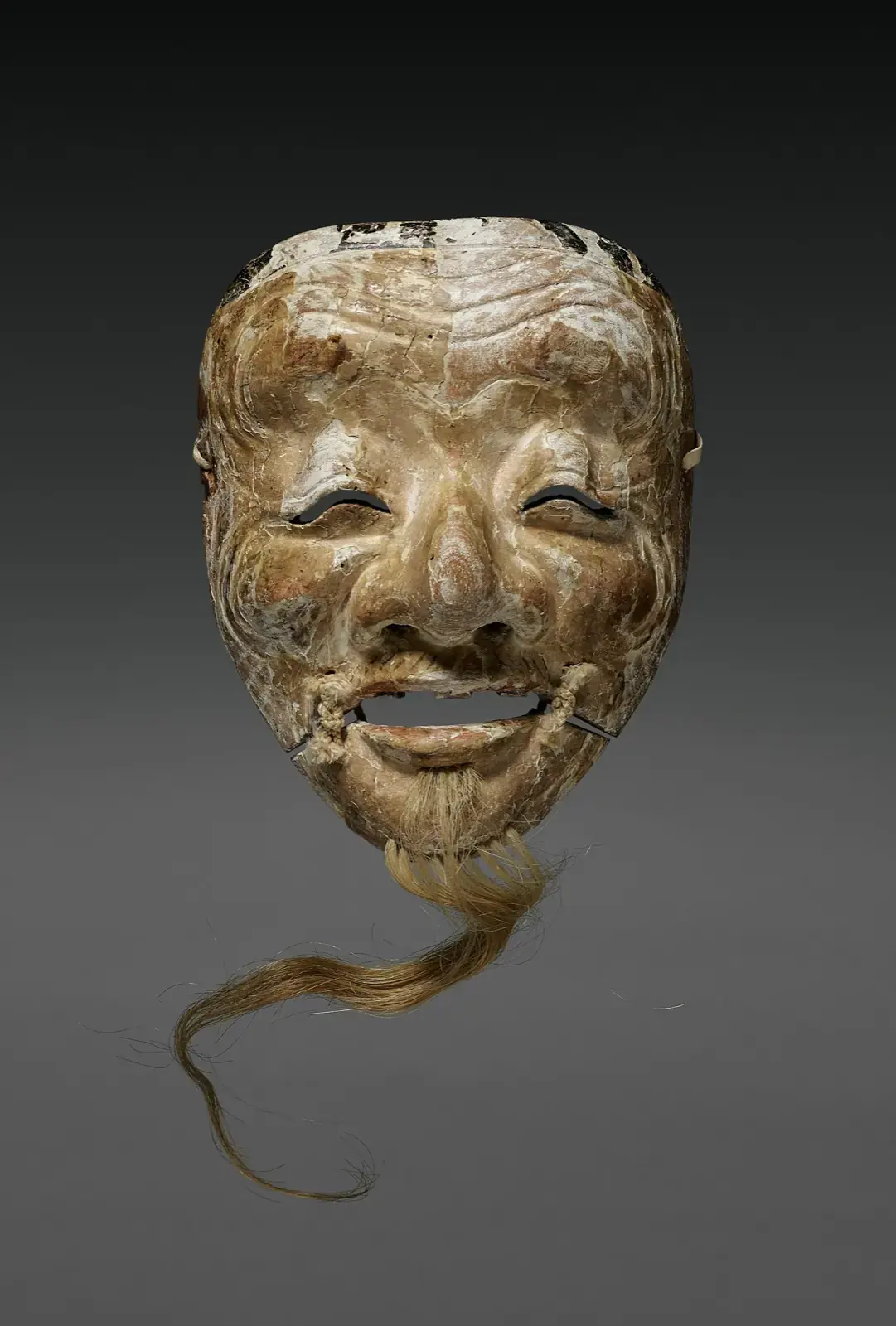
Best time to go: Year-round, National Noh Theatre. The same Noh mask can look grief-stricken or serene depending only on the angle of the light — which is exactly the point.
Why the Same Mask Feels Alive
Imagine a carved wooden mask with no moving eyes, lips, or eyebrows.
Now tilt it slightly downward. Suddenly the face seems sorrowful. Lift it by just a few degrees, and it appears calm—or even quietly joyful.
The mask itself has not changed.
In Noh, there are even traditional techniques for creating this effect. One is called terasu (“to brighten”), while the other is kumorasu (“to cloud” or “to darken”). By making the smallest adjustment to the angle of the head, the actor changes the way light falls across the mask. Shadows deepen or soften, and the audience begins to perceive an entirely different expression.
Yet the secret goes beyond light alone.
Master mask makers intentionally avoid carving strong emotions into their work. The finest Noh masks are deliberately neutral. They are not meant to tell the story by themselves. Instead, they invite the audience to complete it.
Why the Actors Seem to Do So Little
For first-time visitors, a Noh performance can be surprising.
The actors barely gesture. They do not raise their voices dramatically, rush across the stage, or rely on expressive facial movements. At times, a performer may spend several seconds taking a single step or slowly turning their head.
To modern audiences, it can feel as though almost nothing is happening.
But this restraint is precisely where the art of Noh begins. The less the actor dictates an emotion, the more room there is for the audience to discover one. What matters is not how convincingly the performer imitates sadness or joy, but what emotions begin to emerge within the people watching.
Even the slow pace has a practical origin. A Noh mask significantly limits the actor’s field of vision, so performers navigate the stage using four wooden pillars as reference points. Over centuries, this necessity became an essential part of the theatre’s unique visual language.
Why Different People See the Same Performance Differently
This is the central idea of Noh.
It never gives the audience finished emotions.
The music creates only an atmosphere. The mask offers only a suggestion. Every movement is carefully restrained, and long silences become just as meaningful as spoken words.
The rest happens inside the audience.
One person may see profound sorrow in a scene. Another may sense acceptance. A third may discover hope. All of them are watching exactly the same performance.
In this way, every Noh play exists in two places at once. One unfolds on the stage. The other unfolds in the imagination of each individual watching it.
Perhaps that is why Noh has remained so compelling for centuries. It never tells you what to feel. Instead, it gives you the space to feel something of your own.
Why This Theatre Has Survived for Nearly Seven Hundred Years
Noh took its modern form in the fourteenth century through the work of Kan’ami and his son Zeami.
It was Zeami who transformed earlier performance traditions into a refined artistic system in which every gesture, pause, musical phrase, and movement served a deliberate purpose. His writings continue to shape the training of Noh performers today.
For centuries, Noh enjoyed the patronage of shoguns and the imperial court. That support allowed the tradition to survive even as Japan itself changed dramatically.
Today, audiences are witnessing essentially the same artistic language that existed more than six hundred years ago—a remarkable continuity for any performing art.
Why UNESCO Protects More Than the Performances
When Noh was inscribed on UNESCO’s Representative List of the Intangible Cultural Heritage of Humanity, the organisation was not protecting a theatre building or a collection of historic masks.
It was protecting a living tradition.
Years of actor training. The craftsmanship required to create masks and costumes. The music and chanting. The highly codified vocabulary of movement. The centuries-old system through which knowledge is passed from master to student.
If the people capable of performing Noh were to disappear, museum collections alone could never preserve the art. That is why UNESCO protects not simply the performances themselves, but the living culture that makes them possible.
Where to Experience Authentic Noh
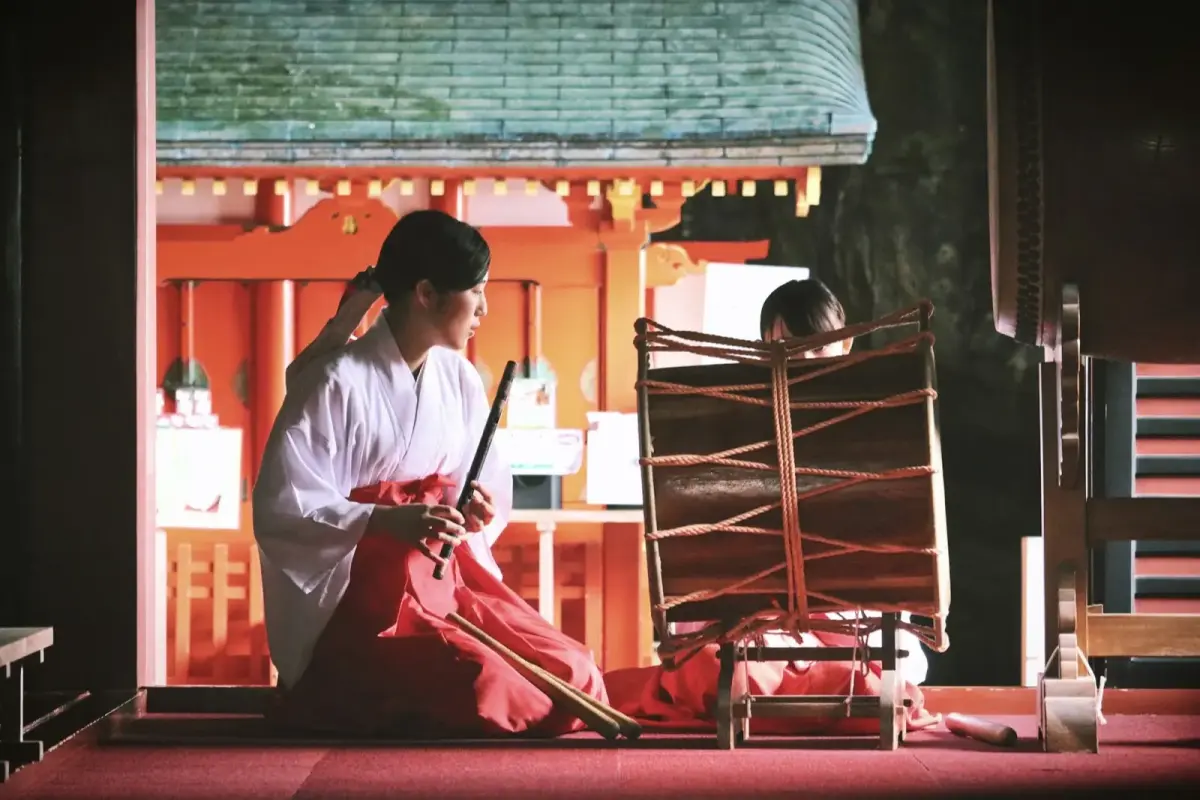
One of the best places to experience Noh is Tokyo, where the National Noh Theatre presents regular performances throughout the year. Historic stages in Kyoto and Osaka also continue to host productions rooted in centuries of tradition. Many theatres now offer English-language programmes, and some performances include subtitles, making them accessible even to visitors who do not speak Japanese.
It is worth arriving with the right expectations. Noh is unlike almost any other form of theatre. If you are looking for rapid action and dramatic emotional displays, it may seem unexpectedly slow.
But if you allow yourself to settle into its rhythm, something remarkable begins to happen. Noh never tells you exactly what to think or feel. Instead, it leaves space for your own imagination. That is why everyone leaves the theatre having experienced a slightly different performance—even though they all watched the very same one.